Abu Dhabi confirms USD 200bn project pipeline: what 40,000 homes by 2029 actually means
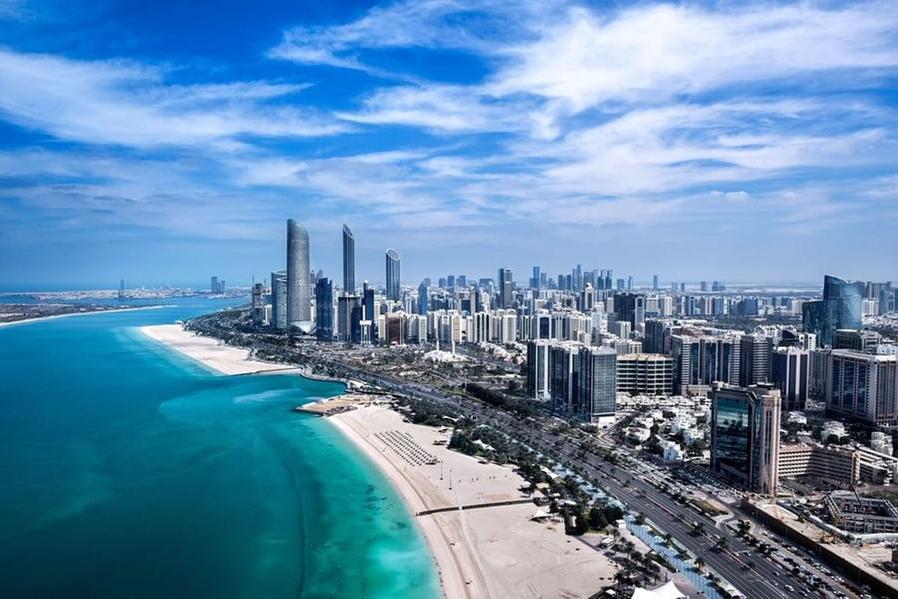
“Abu Dhabi Projects and Infrastructure Centre (ADPIC) has confirmed that it is overseeing more than 500 capital projects…” — Zawya / TradeArabia, 14 May 2026
The numbers in context
The headline USD 200 billion programme value covers more than 500 projects across the emirate, not just housing. The relevant residential figure inside that programme is the 40,000 homes Abu Dhabi has committed to delivering by 2029, alongside AED 32 billion in public-private partnership opportunities advanced last year. Read in isolation, 40,000 homes sounds like a lot. Read against current Abu Dhabi supply, it is approximately three to four years of annual completions stacked into a three-and-a-half year window. That has implications for both the rental and resale markets that buyers should be pricing in now, not in 2029.
What the summit’s working assumption tells you
The panel commentary at the Abu Dhabi Infrastructure Summit is where the more interesting signals are buried. Sobha Realty confirmed an AED 3 billion investment in construction innovation and offsite factories over the next three years — that is a developer betting heavily that the next cycle is won by whoever can deliver fastest, not whoever launches biggest. Bloom Holding pointed to Bloom Living’s 4,200 homes as a model of integrated community design. Aldar disclosed it is using AI agents drawing on 50 million data points from previous projects for design and supply chain scrutiny.
The collective signal is that Abu Dhabi’s developers expect supply to ramp meaningfully, which means cost discipline and speed-to-handover matter more than ever. The implicit warning to buyers is that the launches with the longest payment plans and the most generous post-handover terms in 2026-27 are the ones most likely to be competing against fresh inventory at the same price point in 2029.
Which precincts absorb the new supply best
40,000 homes across Abu Dhabi between now and 2029 will not arrive evenly. Saadiyat Island and Yas Island, where Aldar dominates, will absorb a meaningful share. Reem Island and Al Maryah continue to deliver tower stock. Jubail Island, which LEAD Development referenced in the panel with its 40 million sq m masterplan and 25 million sq m of protected mangrove, is the most distinctive of the upcoming communities. Al Ghadeer, which Aldar launched its 437-home Al Ghadeer Gardens phase into last week, sits in the cross-emirate corridor.
The communities most likely to see rental pressure as supply lands are the ones least differentiated by anchor — mid-tier Reem Island towers and the early-phase Al Ghadeer apartments are exposed. The communities most insulated are the unique-anchor locations: Saadiyat (cultural district), Yas (entertainment), Jubail (mangrove ecology). The corollary for end-user buyers is to weight differentiation over price-per-square-foot when the supply story is this loud.
The infrastructure side of the AED 200 billion
UAE Energy and Infrastructure Minister Suhail Al Mazrouei’s on-stage commentary is worth pulling out separately. Forward investment in roads, rail and metro accounts for more than half of national infrastructure spending. The UAE currently ranks fifth globally for infrastructure quality with a stated ambition to move to first. Etihad Rail, Hessa Street and the southern Sheikh Zayed Road interchange are all timed to be operational in roughly the same 2027-2030 window. Buyers tracking the cross-emirate corridor thesis — Al Ghadeer, Yas, Saadiyat North, Reem — should layer the infrastructure timeline against developer handover dates to understand which addresses are actually being upgraded by the public investment.
Actionable takeaway
For Abu Dhabi buyers in 2026, the right reaction to this supply announcement is to favour communities with unique anchors over generic mid-tier stock, and to negotiate harder on payment plan terms because new launches are competing for the same end-user wallet between now and 2029. For long-hold investors, the infrastructure overlay matters more than the residential supply — addresses inside the Etihad Rail catchment will benefit even in a softer rental market.
For a community-by-community supply outlook across Abu Dhabi, contact our team.