Motor City 2026: family townhouses next to the Autodrome
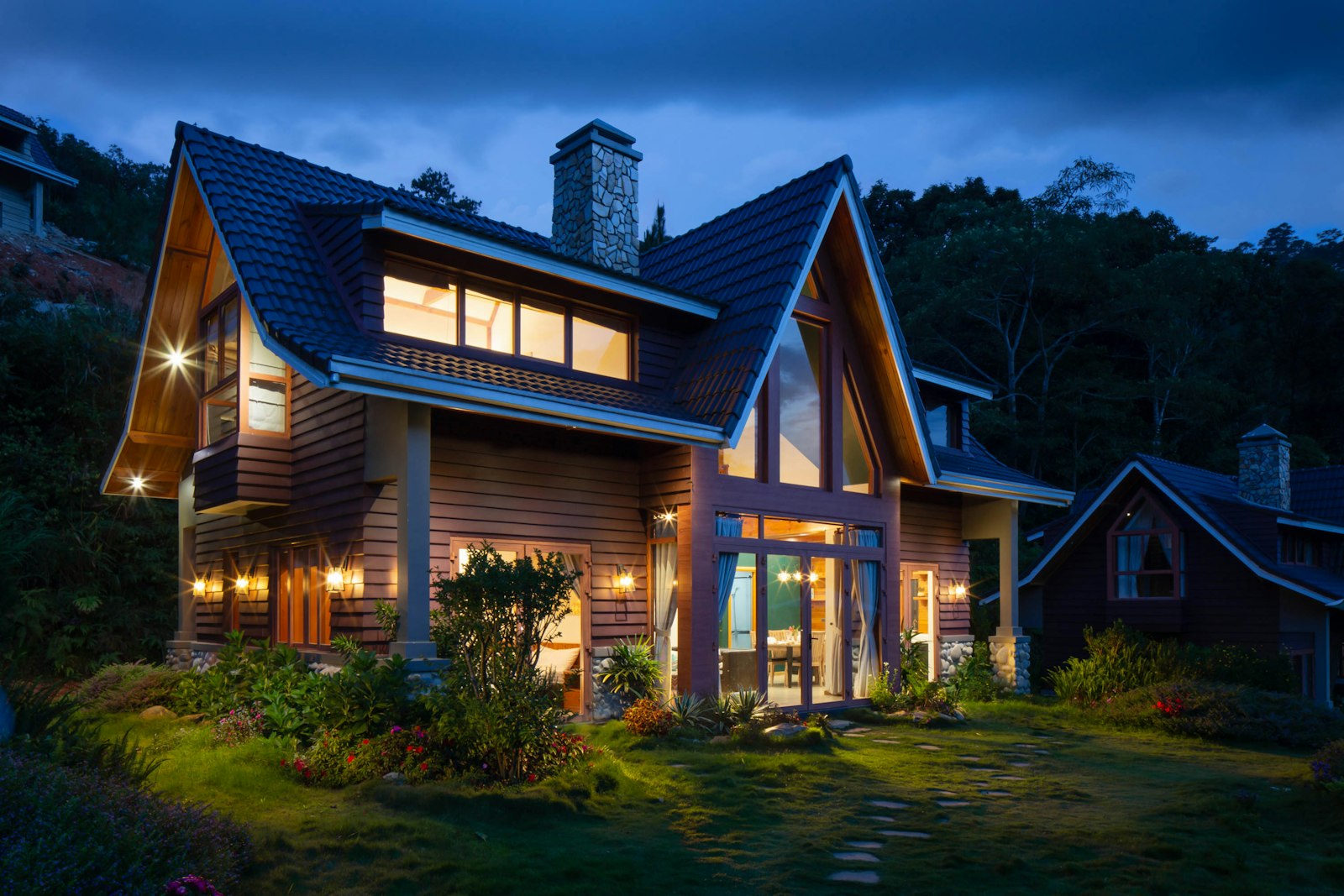
Motor City has spent most of its life being underestimated. It is finally what its original brochure promised — a low-rise, tree-lined family community with a real school, a working high street, and a racing circuit at one end that turns out to bother almost nobody.
The community was launched by Union Properties in the mid 2000s. The brief was a community wrapped around the Dubai Autodrome. The first phases handed over from 2007. Then came a long, slow construction tail through the early 2010s. Today Motor City is essentially complete, the trees have matured, the schools are full, and the second-generation buyers are taking over from the original investor cohort.
This guide is for buyers weighing Motor City against the obvious alternatives. Arabian Ranches for villas. JVC for apartments. Dubai Hills for the same family bracket but at higher prices. Motor City sits between all three, and gets dismissed by people who have not actually visited recently.
What Motor City actually is
Motor City covers around thirty-eight million square feet on the south side of Sheikh Mohammed bin Zayed Road. The community has four distinct residential precincts and a working town centre.
Green Community Motor City is the townhouse heart of the community. Streets of two and three-storey homes with private gardens, set around landscaped lanes. Uptown Motor City is a mix of low-rise apartments and a few townhouse rows, organised around a pedestrianised square called Uptown Square. Foster City is the larger apartment cluster with the high-rise stock. Casa Familia is a smaller mid-market villa pocket on the western edge.
The retail anchor is First Avenue Mall, a small but well-occupied shopping street with a Spinneys, a few cafes, a clinic, a pharmacy, a vet and a barber. The community also hosts GEMS Metropole School, which is one of the more in-demand mid-tier schools in the wider area.
And then there is the Autodrome itself. A 5.39 kilometre FIA-grade racing circuit, sitting on the southern edge of the community, hosting roughly forty events a year. We will come back to what that actually means for residents.
Pricing in 2026
The townhouse market is where Motor City has appreciated most. A three-bedroom Green Community townhouse now sells between AED 3.6 million and AED 4.8 million depending on layout, plot size and renovation level. A four-bedroom townhouse trades between AED 4.8 million and AED 6.5 million. The corner plots with larger gardens command a premium of around ten per cent.
Uptown townhouses, slightly smaller in plot but with a more central location, sell between AED 3.4 million and AED 4.4 million for three-bedrooms.
The apartment market in Foster City is more spread. A one-bedroom changes hands between AED 750,000 and AED 1.05 million. A two-bedroom trades between AED 1.15 million and AED 1.6 million. A three-bedroom sits between AED 1.7 million and AED 2.3 million. The Foster City stock has solid layouts and most buildings are well managed.
Casa Familia villas, which are larger than the townhouses, sit between AED 5.5 million and AED 8 million depending on plot and condition.
Who lives here
Motor City reads as a family community in a way that very few Dubai postcodes still do. The school catchment is one explanation. GEMS Metropole inside the community, plus Renaissance and Jebel Ali School both within a ten-minute drive, mean Motor City households can put children into school without crossing Sheikh Zayed Road.
The demographic mix is unusually balanced. There is no dominant nationality in the way that there is in some other Dubai communities. British, Indian, South African, Filipino, Lebanese, Egyptian, Russian, American households all live here in meaningful numbers. The community feels integrated rather than enclaved.
Tenure is shifting. As recently as 2020, Motor City was probably sixty per cent investor-owned and tenant-occupied. Owner-occupier ratio in 2026 is closer to fifty-five per cent. The community is being lived in, not just rented out.
The Autodrome question
Almost every first-time Motor City buyer asks the same question. Is the noise from the track unbearable?
The honest answer is no, for most of the community, most of the time. The track hosts roughly forty events a year, most of them are club-level track days, and most of those are during daytime hours. Major events are a handful per year. Noise carries from the western edge of the circuit, which is closest to Foster City apartments and parts of Casa Familia. The townhouse precincts in Green Community and Uptown are far enough away that even during noisy events the sound is a distant background.
The bigger Autodrome effect is positive. The complex includes a karting circuit, a driving school, a fitness centre, a couple of restaurants and a regular calendar of community events. Many residents make use of it.
If you are buying an apartment in Foster City and you are unusually noise-sensitive, ask which way the unit faces and how close it sits to the track. Some buildings have a clear sightline to the circuit. Others are screened by other buildings or by landscaping.
What you actually own
All Motor City freehold stock can be owned by foreign nationals in their own name. The community has a master developer (Union Properties) and several building-level owners' associations for apartment stock. Townhouses are individually owned with shared community service charges.
Service charges in Motor City run between AED 3.5 and AED 5 per sq ft per year on townhouse built-up area, which is one of the lower rates among quality townhouse communities in Dubai. For a 2,500 square foot three-bedroom townhouse, the annual charge sits around AED 10,000 to AED 12,500. Apartment service charges are higher in absolute per-square-foot terms but lower than equivalent JVC or Sports City buildings on a like-for-like basis.
The rental market and yield
Townhouse rentals are strong and steady. A three-bedroom Green Community townhouse rents at AED 230,000 to AED 295,000 a year. A four-bedroom rents at AED 290,000 to AED 360,000. Tenant tenure is long. Families that move in tend to stay for three to five years because the school, the community and the routine work for them.
Foster City apartment rentals are healthy too. A one-bedroom rents at AED 78,000 to AED 95,000. A two-bedroom at AED 110,000 to AED 140,000. A three-bedroom at AED 150,000 to AED 195,000.
Gross yields land between six and a half and eight per cent for apartments, and between five and a half and six and a half per cent for townhouses. Net yields, after service charges and standard expenses, are roughly one and a half percentage points lower. These are not Discovery Gardens numbers, but they come with longer tenancies, less turnover and a more resilient end-user demand floor.
The honest pros
Townhouse stock that is genuinely family-scaled. Mature landscaping. Real school inside the community with a strong record. A walkable retail core in First Avenue. Lower density than the high-rise corridor. Easy Al Khail Road access. Lower service charges than most comparable communities. A community gym, a community pool, and a calendar of family events that actually happens.
The townhouses themselves are well-built. Most have three bedrooms upstairs, a maid's room, a private garden, two parking spaces and a service court. The layouts are practical rather than spectacular, and that is exactly what tenants and end-users want.
The honest cons
Some of the older Foster City buildings have had owners' association disputes and uneven management. The capex backlog in two specific buildings is well-known in the market and reflected in their pricing. Do not buy without reading the audited service charge accounts.
The western edge of the community, closest to the Autodrome, is genuinely noisier on event days. If you want a Motor City apartment, prefer an east-facing building.
The drive to Downtown is twenty-five minutes in light traffic and forty in rush hour. Motor City is not central. People who need to be at a Trade Centre office at eight in the morning find this wearing.
There is no Metro station inside the community and the bus network is sparse. Households without two cars find life inconvenient.
What to inspect before you buy
For townhouses, check the roof, the AC condensers and the garden landscaping. Original Green Community townhouses are now eighteen years old. Most have had at least one major maintenance round. The ones that have not are visible in the inspection. Budget AED 80,000 to AED 200,000 for a meaningful renovation if you buy an unrenovated unit.
For apartments, the same Sports City rules apply. Read the building accounts. Walk the lobby. Inspect the chiller plant. Verify the parking allocation.
For all stock, check the master community service charge ledger. Motor City has had a small number of arrears disputes between owners and the master developer over the years. Most are resolved, but the title transfer process can stall if there are outstanding amounts on the unit.
Common buyer mistakes
The first mistake is underestimating the renovation cost on older townhouses. A 2008-vintage townhouse needs new kitchen, bathrooms and AC condensers to compete with newer Dubai Hills product. The buyer who closes at AED 4.2 million on an unrenovated unit and budgets AED 80,000 for paint and curtains is going to be disappointed.
The second mistake is dismissing the apartment market. Foster City has some of the better-value two and three-bedroom apartment stock in the wider area, particularly for buyers who want a school nearby. The townhouse market gets more attention than it deserves and the apartment market gets less.
The third mistake is over-anchoring to the Autodrome. The noise affects a small minority of units and most apartment buyers worry about it disproportionately. The bigger downside in Motor City is the commute, not the racing.
The 2026 market reality
Townhouse prices in Motor City have grown around fifty per cent since the start of 2022. That trails Dubai Hills and Arabian Ranches but matches or beats most of the mid-market townhouse market. Apartment prices have grown around forty per cent in the same period.
Looking forward, the upside is moderate. Motor City is a mature community. There is little new supply coming, which supports prices, but there is also limited upside catalyst beyond Dubai's broader trajectory. Expect single-digit annual appreciation rather than the double-digit moves of the last three years.
For a family buyer who wants a townhouse with a real school nearby and is willing to accept the commute, Motor City is one of the better value propositions in the city in 2026. For an investor, the townhouse market delivers steady cash flow with low vacancy. The apartment market is a reasonable yield play if you select the building carefully.
How to start
A serious Motor City search takes four to ten weeks. Townhouse inventory is the slowest because owners tend to hold longer. Apartment inventory turns over more quickly. The off-market layer is meaningful, particularly for the larger townhouses, where many transactions never appear on the public portals.
If you want a curated view of current Motor City inventory, including the townhouse stock that has not been listed publicly, contact our team for a private list.