Al Furjan 2026: Nakheel's mid-market villa community, community by community
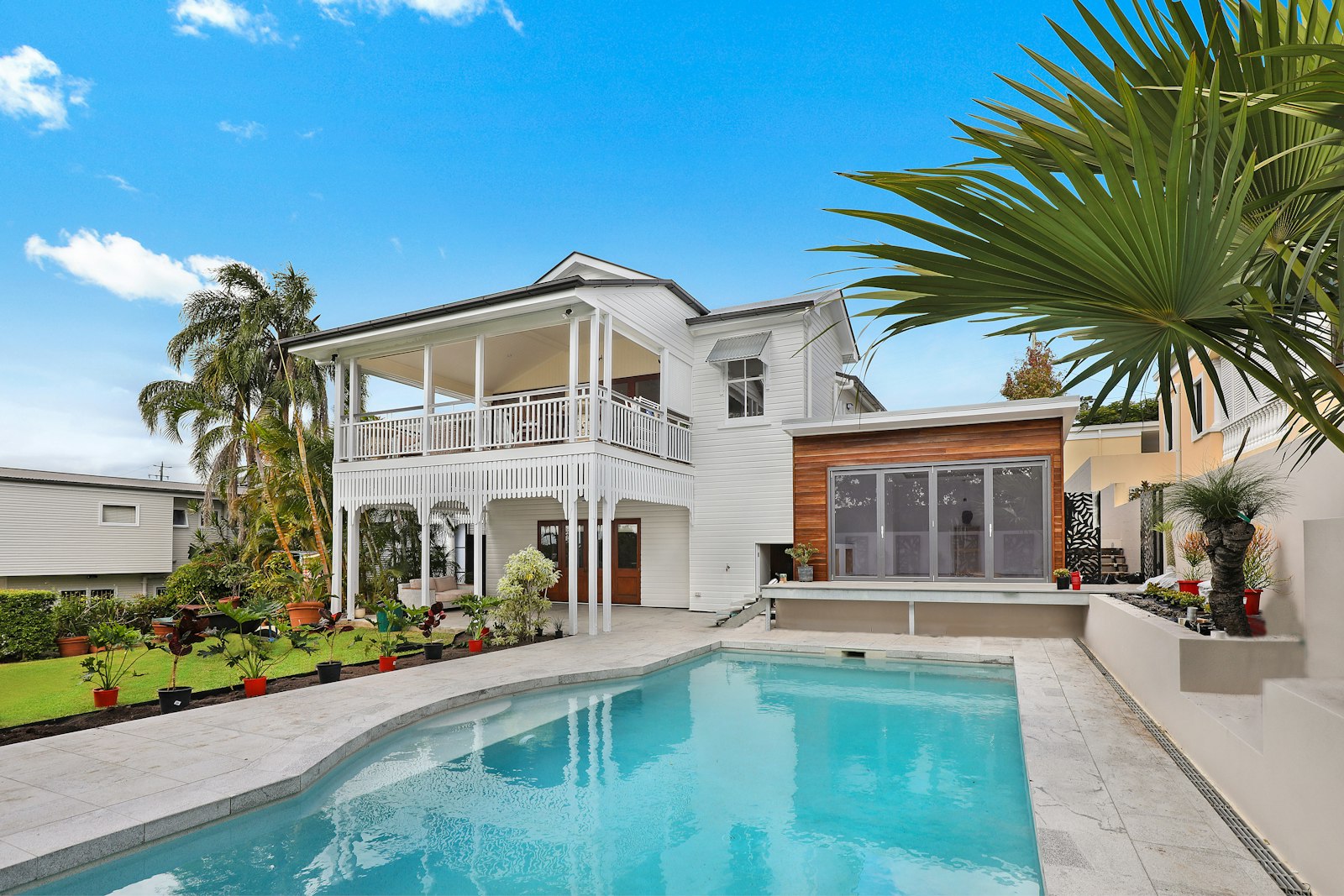
Al Furjan is the community most buyers consider second and end up choosing first. Nakheel built it as a middle-bracket alternative to The Gardens and Discovery Gardens, and a decade on, the math has quietly turned in its favour.
The Metro stop at the south end of the development opened in 2021, and the secondary schools followed by 2023. What was a half-finished plot map five years ago is now a settled community with shaded streets, mature landscaping and a clear identity.
This guide explains how the four villa sub-communities differ, what they cost in 2026, who is actually moving in, and where the value still sits.
What Al Furjan is, structurally
Al Furjan sits south of Sheikh Mohammed Bin Zayed Road, between Discovery Gardens and Jebel Ali Village. Nakheel master-planned it across four villa clusters and a separate apartment ring on the perimeter. The apartments are mostly mid-rise towers from secondary developers — Azizi, Tiger, Avanos — and they are a different conversation from the villa stock.
The four villa clusters are Quortaj, Dubai Style, Masakin and Murooj. Each has its own architectural language, its own plot dimensions and its own price band. They are not interchangeable, and conflating them is the single biggest mistake portal listings make.
Quortaj is Mediterranean stucco, low rooflines and four-bed standard. Dubai Style runs to traditional Arabic facades with mashrabiya screens and slightly larger interior footprints. Masakin is the most contemporary, with cleaner lines and the smallest plots. Murooj is the largest format and the most expensive.
Pricing in 2026
A three-bedroom townhouse in Quortaj or Masakin trades between AED 2.8 million and AED 3.6 million depending on condition, location within the cluster and proximity to the community pool. The same product was changing hands at AED 1.9 million in early 2022, so the run has been substantial.
Four-bedroom villas in Quortaj sit between AED 3.8 million and AED 4.9 million. Dubai Style four-beds trade between AED 4.1 million and AED 5.3 million, with the better-positioned units on the green spine commanding the upper end of that band.
Murooj five-bedroom villas with private pools trade between AED 6.2 million and AED 8.4 million. There are perhaps forty of those in total, and turnover is thin. When one comes to market in good condition, it usually sells within a month.
Apartment pricing across the perimeter towers ranges from AED 650,000 for an Azizi studio to AED 2.1 million for a three-bed in the better Avanos buildings. The apartment market and the villa market in Al Furjan do not move in lockstep, and buyers should treat them as separate decisions.
The Metro factor
The opening of the Al Furjan station on the Route 2020 line changed the demographic mix faster than anyone expected. Before the Metro, Al Furjan was a car-dependent community attractive mainly to families. After 2021, it became viable for working professionals who commute to Expo City, Downtown and DIFC without a vehicle.
The station sits on the apartment side of the development, walkable from most of Azizi Plaza and the Avenue Residences. From the villa clusters, it is a five to eight minute drive or a fifteen minute walk in good weather. Outside the November-to-March window, most villa residents drive.
The flat practical truth is that the Metro lifted apartment rents in Al Furjan by around fifteen per cent in the two years after opening, and lifted villa values by roughly half that. Walkability is worth more in a 600 sq ft studio than in a 3,500 sq ft villa.
Who lives here
The villa stock in Al Furjan is predominantly occupied by families with two or three children, the working parents employed in tech, engineering, finance or healthcare. The dominant nationalities are Indian, British, South African and a growing cohort from Egypt and Jordan. There is no single majority group.
Owner-occupier ratios in the villa clusters are now above seventy per cent. That is high for Dubai and is reflected in the way the community looks. Front gardens are tended, cars are washed in driveways, children walk to the park unattended in the late afternoons. It feels lived-in rather than rented.
What you actually own
Al Furjan villas and townhouses are freehold. Foreign nationals can hold the title in their own name or through a UAE-registered entity. The plot, the built area and the small garden are yours. The community spine, the pools, the gym and the landscape strips are common property maintained by Nakheel Community Management.
Service charges sit between AED 3.50 and AED 4.20 per sq ft per year for villas, and a separate AED 700 to AED 900 annual community fee per unit. For a typical four-bed Quortaj of around 3,200 sq ft, the all-in annual carrying cost is between AED 11,500 and AED 14,500 before utilities. By Dubai villa standards, this is at the lower end.
The apartment service charges in the perimeter towers are a different matter and run between AED 12 and AED 22 per sq ft depending on the building. Buyers looking at Al Furjan apartments should request the last three years of audited service charge accounts before they commit.
Schools and daily life
Al Furjan has worked because the schools followed the residents. Arbor School, the British curriculum option, sits on the eastern edge of the community. Delhi Private School Dubai opened its Al Furjan campus in 2022. The Arcadia chain operates two campuses within a ten minute drive, and the new GEMS Founders school in The Gardens absorbs a meaningful share of the secondary cohort.
The retail anchor is Al Furjan Pavilion, which carries a Spinneys, a Costa, a pharmacy and a handful of casual restaurants. It is functional rather than impressive. For weekend retail, residents drive to Ibn Battuta Mall, ten minutes north, or to The Outlet Village further down the Jebel Ali corridor.
The rental market
A three-bed townhouse in Quortaj or Masakin rents between AED 180,000 and AED 240,000 per year on a one-cheque basis. Four-bed villas in Dubai Style and Quortaj rent between AED 240,000 and AED 320,000. Murooj five-beds with a private pool clear AED 380,000 to AED 480,000.
Gross yields on villas land between 5.5 and 6.5 per cent. That is meaningfully higher than what comparable product delivers in Arabian Ranches or Dubai Hills, and is one of the central reasons investors keep returning to Al Furjan despite the absence of brand glamour.
The honest pros
The price entry point is reasonable for the format. Schools, retail and the Metro are inside the community envelope. Service charges are low. The street layout is generous, with shaded pavements and proper cycle lanes that residents actually use. Quortaj has matured into one of the most pleasant villa walks in Dubai.
The rental market is deep. Stock turns over inside three weeks in the typical case, and the agency commission landscape is competitive enough that landlords keep more of the rent than in older Nakheel communities.
The honest cons
Construction on the apartment side of the community continued into 2024, and a handful of Azizi plots remain on hold. The visual integrity around the Discovery Gardens-facing perimeter is still uneven. If you buy in Masakin facing those plots, you may have a building site view for another two to three years.
The community is far from the beach and far from Downtown. The runs to JBR and Marina take twenty minutes outside rush. The run to DIFC is a thirty-five minute drive in morning peak. For people whose social and professional life centres on the eastern half of the city, Al Furjan is a long daily commute.
Some of the earliest Quortaj villas, the 2012 and 2013 vintages, have had recurring issues with kitchen plumbing and the original air-handling units. None of these are catastrophic, but they should be priced into the offer.
What to inspect before you buy
Get a full survey on any villa pre-2015. Pay particular attention to the AC system, the boundary wall and the roof waterproofing. Several Quortaj villas have needed roof remediation in the AED 30,000 to AED 80,000 range, and a buyer who skips the roof inspection inherits that bill.
Check the title deed for plot size and built-up area. Some Dubai Style units were sold with covered terraces that the deed does not record as part of the built area. This matters when you come to resell, because portal listings often quote the larger figure.
Ask for the last three years of Nakheel community statements. Outstanding service charge arrears stay with the property, not the seller, and we have seen transactions close with the buyer absorbing AED 25,000 to AED 60,000 in unpaid fees.
Common buyer mistakes
The first is buying an apartment in Al Furjan expecting the villa community experience. The two are physically and operationally separate. The towers run on building management contracts that have nothing to do with Nakheel Community Management, and the service charge structure is completely different.
The second is over-paying for a position next to the community pool. The pool plots trade at a ten to fifteen per cent premium, but the foot traffic in peak summer is significant and the noise carries. Look at the unit on a Friday afternoon in May before you decide the premium is worth it.
The third is underestimating the relevance of cluster orientation. North-facing plots in Quortaj are noticeably cooler in late afternoon than the south-facing equivalent. The difference in summer cooling bills can run to AED 4,000 a year.
The 2026 market reality
Al Furjan prices have moved roughly seventy per cent since the start of 2022. Some of that is genuine community maturation. Some is the broader Dubai re-rating. The rate of growth slowed through the second half of 2025, and our read of the current data is that 2026 will deliver single-digit appreciation rather than a continuation of the recent run.
The volume of new launches in the Jebel Ali corridor — the Greens at Furjan project, the Avenue extension, and the early phases of Nakheel's new master plan further south — will absorb some of the demand that previously flowed into existing Al Furjan stock. That is a moderating force rather than a negative one.
For end-users buying in 2026, Al Furjan still represents one of the better value-for-format propositions on the Dubai villa map. For investors, the yield case remains intact, but the capital growth phase of the cycle is most likely behind us.
How to start
A serious villa search in Al Furjan takes four to eight weeks. The four clusters have different agents working them, and few brokers can credibly cover all four. Engage a specialist who knows the cluster you are targeting, ask for a walking tour rather than a driving one, and inspect at least one unit on a weekday morning when the school traffic is at its peak.
If you want a curated view of current Al Furjan inventory across all four villa clusters, including off-market listings, contact our team for a private list.